
MENU
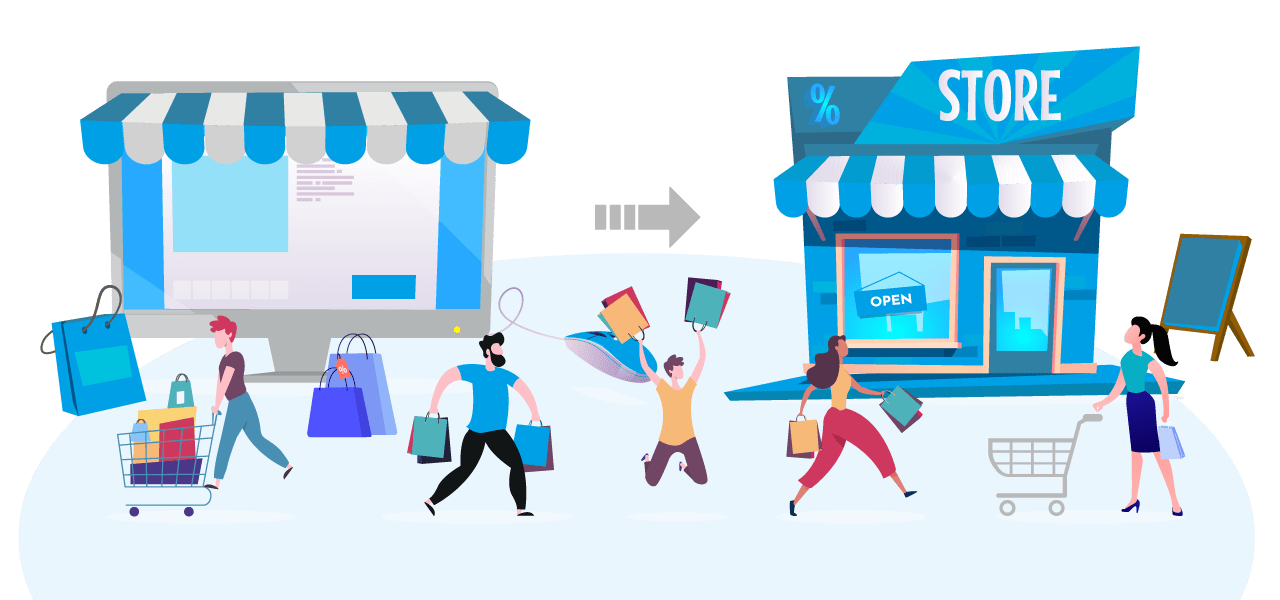
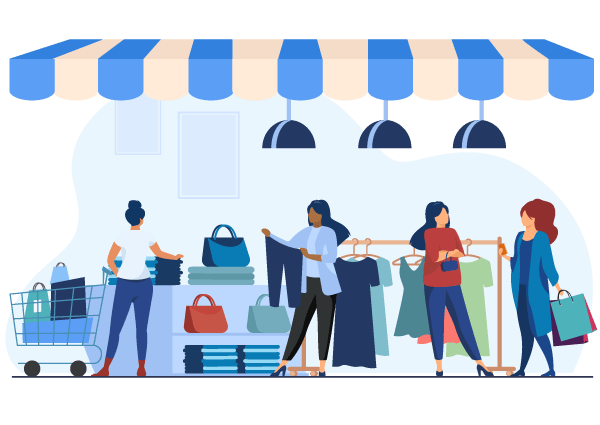
Ecommerce is at an all-time high with an ever-increasing number of buyers and brands moving online every day. But recently many ecommerce stores are seen in new roles; there’s an ongoing trend where online shops are collaborating with the brick-and-mortar stores to deliver Online to Offline (O2O) shopping experience to all the customers.
O2O caught the attention and became a hot topic last year when Amazon bought Whole Foods Market for the gigantic amount of $13.7 billion. And the reason for a major action? Amazon saw undiscovered potential to generate profits from traditional commerce channel. Because although people prefer buying books, apparel, and electronic items online, a big percentage of all the retail sales are still predicted to happen through physical stores till the end of 2021.
O2O promotes the concept that online platforms can be effectively utilized to increase physical store sales. Let’s take a closer look at the O2O business model and what benefits it offers.
Starbuck’s introduced Mobile Order and Pay that allows customers to order and pay from mobile while being at the store.
Popular eCommerce retailer Bonobos launched the Guide Shop and doubled its annual profit.
Glossier uses its Instagram page to direct all the clients to the physical stores by offering special discounts.
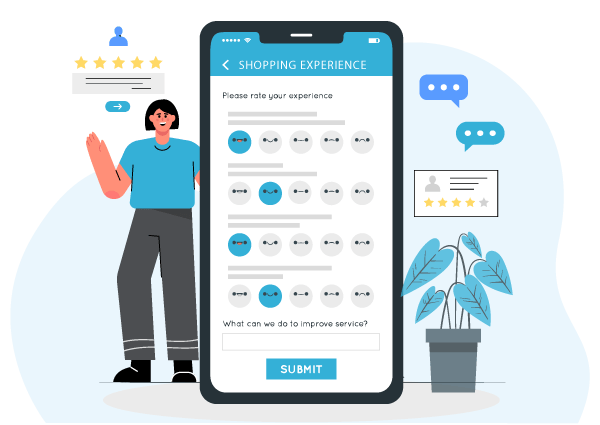
Combining online and offline commerce delivers an improved shopping experience, keeps your customers satisfied, and increases profits. Here’s how you can start with it:
The next step in eCommerce development is the O2O model and many companies along with Ecommerce giants have already moved to it. It goes without saying that strengthening your O2O strategy will be beneficial for your business in the long term.
We bring you the needed insight and updates to grow your e-commerce business. Stay up to date on all things with CommercePad